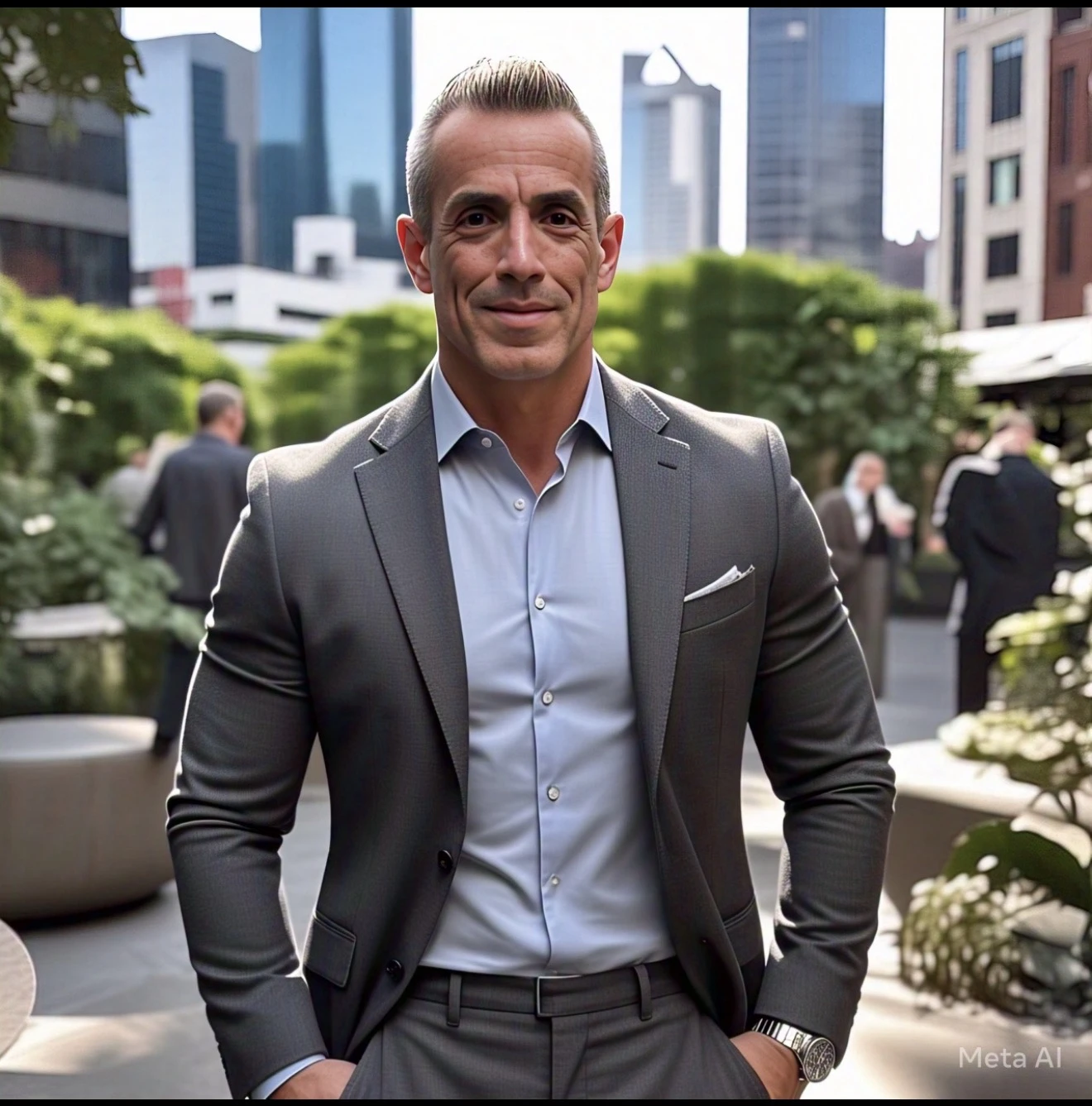
Dr. Fishon's career began in the high-energy world of media and broadcasting, working with iconic LI, NY stations including WBLI, WBAB, and Cox Media. His leadership journey continued through prominent corporate roles at Southwest Airlines and TD Bank, where he spent nearly two decades building expertise in organizational culture and customer experience. Throughout that time Dr. Fishon has stayed committed on executive boards and organizations such as LI Against Domestic Violence, FL State Troopers Association, Ambassador for Organizations such as Nations University, Sophia Learning, and Hellenic American University.
Growing up as part of a fifth-generation family business, he understood the importance of legacy, values, and sustainable impact—principles that would later inform his advocacy work.
~20 +
Years at TD Bank
5th
Generation Business
Behind the professional success was a personal struggle that few could see. Dr. Fishon navigated life with autoimmune conditions, narcolepsy, and chronic fatigue—conditions that are often invisible to others but profoundly impact daily functioning, energy, and well-being.
These experiences gave him an intimate understanding of the barriers faced by millions with unseen disabilities: the lack of awareness, the absence of accommodations, and the societal misconceptions that equate "looking fine" with being fine.
My diagnosis did not arrive as a single, clarifying moment. It arrived as a slow recognition that my daily exhaustion, inconsistent focus, and cognitive “fog” were not moral failures or a lack of discipline. For years, I worked hard to look capable while privately fighting symptoms that were invisible to everyone else, including many professionals charged with supporting students.
Five years ago, I returned to higher education with a new purpose: to rebuild my academic life while learning how to advocate for the supports I needed. That decision required more than persistence. It required learning the language of disability, understanding accommodation systems, and confronting the stigma that often follows conditions people cannot see. Along the way, I encountered both meaningful support and structural barriers that revealed how easily institutions can confuse outward performance with wellness and how quickly disabled students can be dismissed when they do not match familiar stereotypes.
This personal narrative traces my path from late recognition to academic reentry and onward to the work I do today. It highlights practical strategies that helped me succeed, including structured routines, self-advocacy, and relationship-building with faculty and disability services. It also examines what I wish educators and administrators understood earlier: invisible disabilities are real, variable, and often intensified by rigid policies, unclear processes, and inaccessible learning design.
In my speaking I try to leave people with a grounded account of resilience and a clear set of takeaways for improving student experiences, including concrete practices that reduce barriers, support disclosure decisions, and strengthen inclusive learning environments so that more students can thrive without having to prove their disability through crisis.Rather than letting these challenges define him, Dr. Fishon transformed his lived experience into a mission. He founded the Dr. Disruptor Network, a platform dedicated to challenging outdated systems and advocating for inclusive design in education, healthcare, and the workplace.
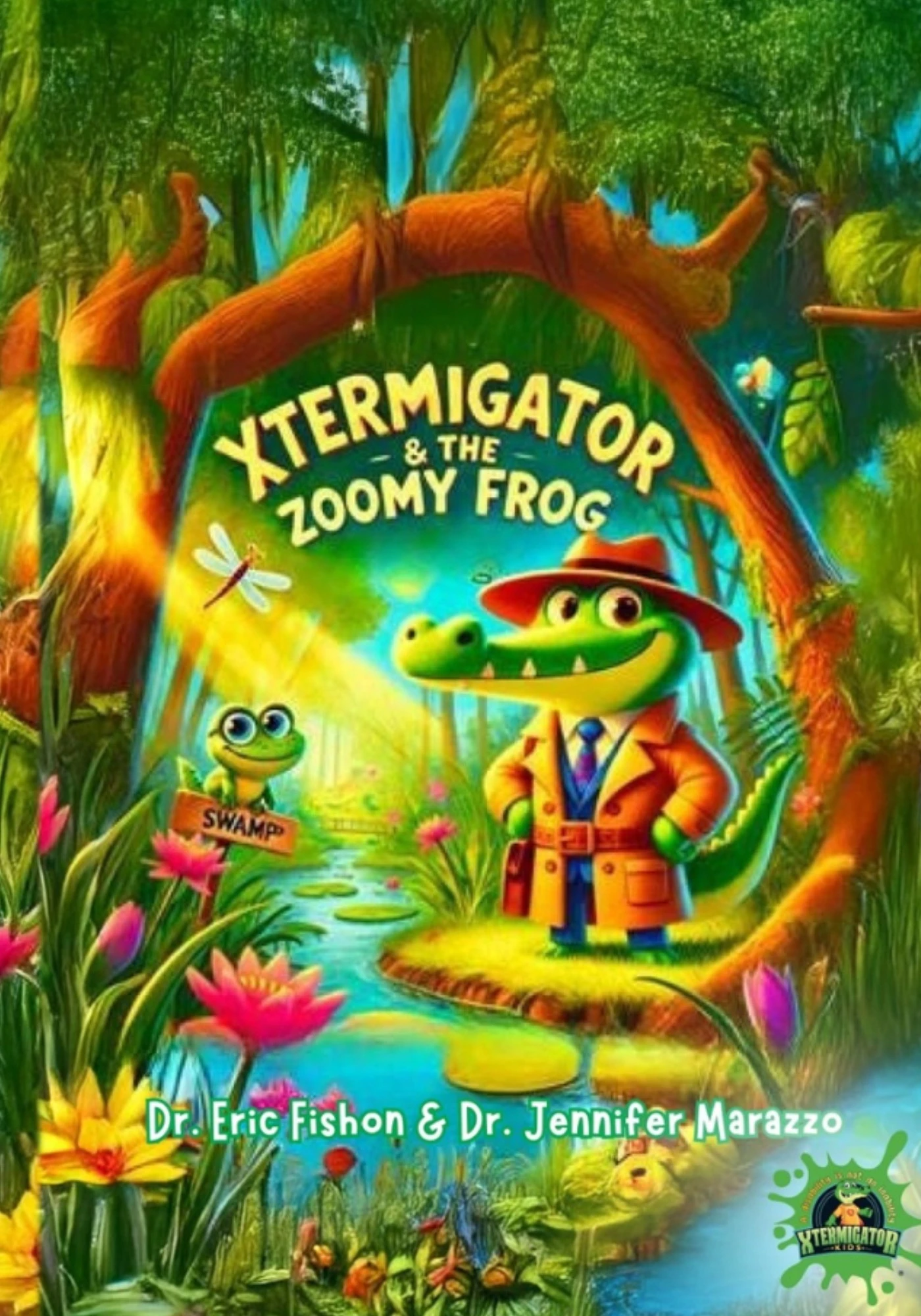
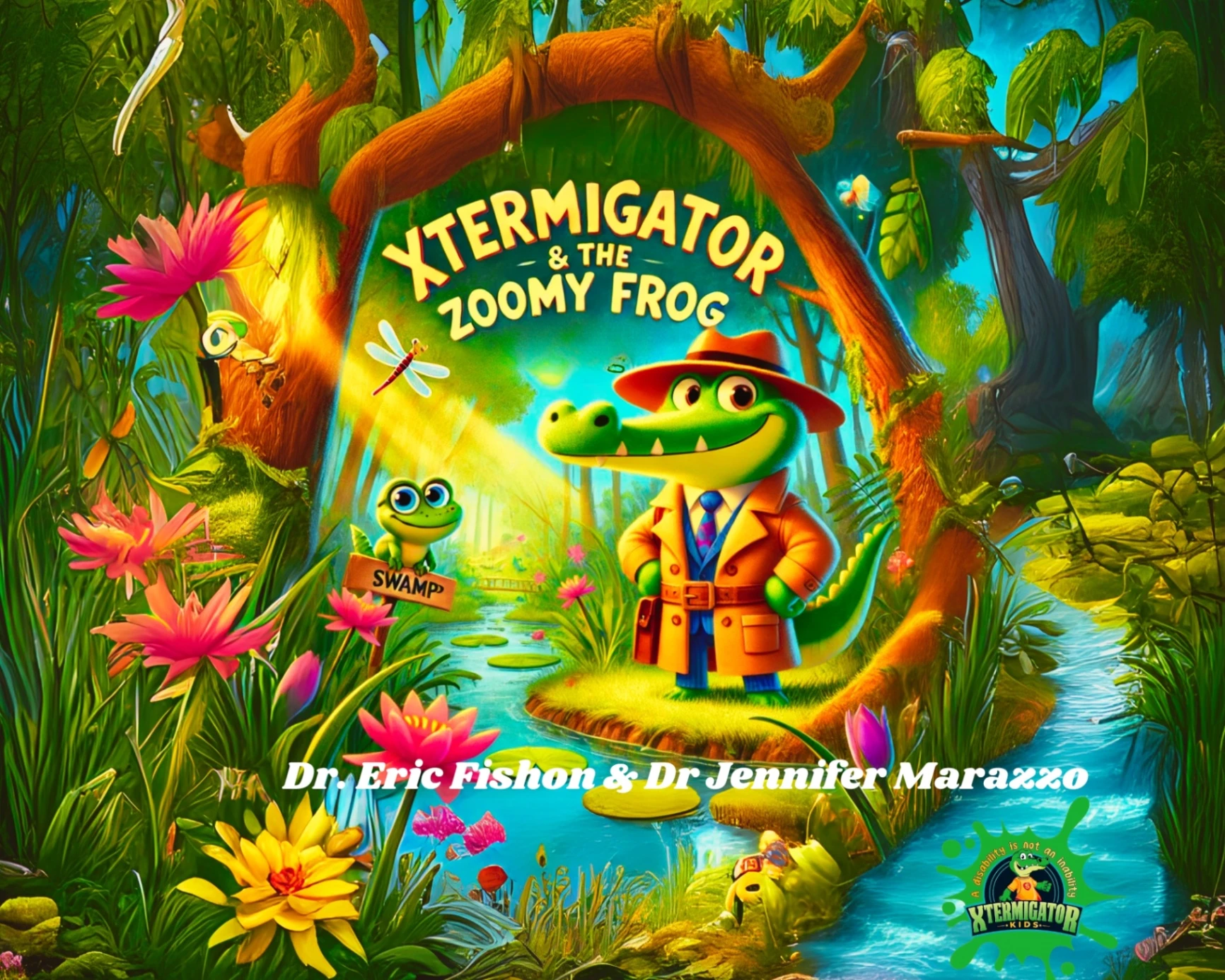
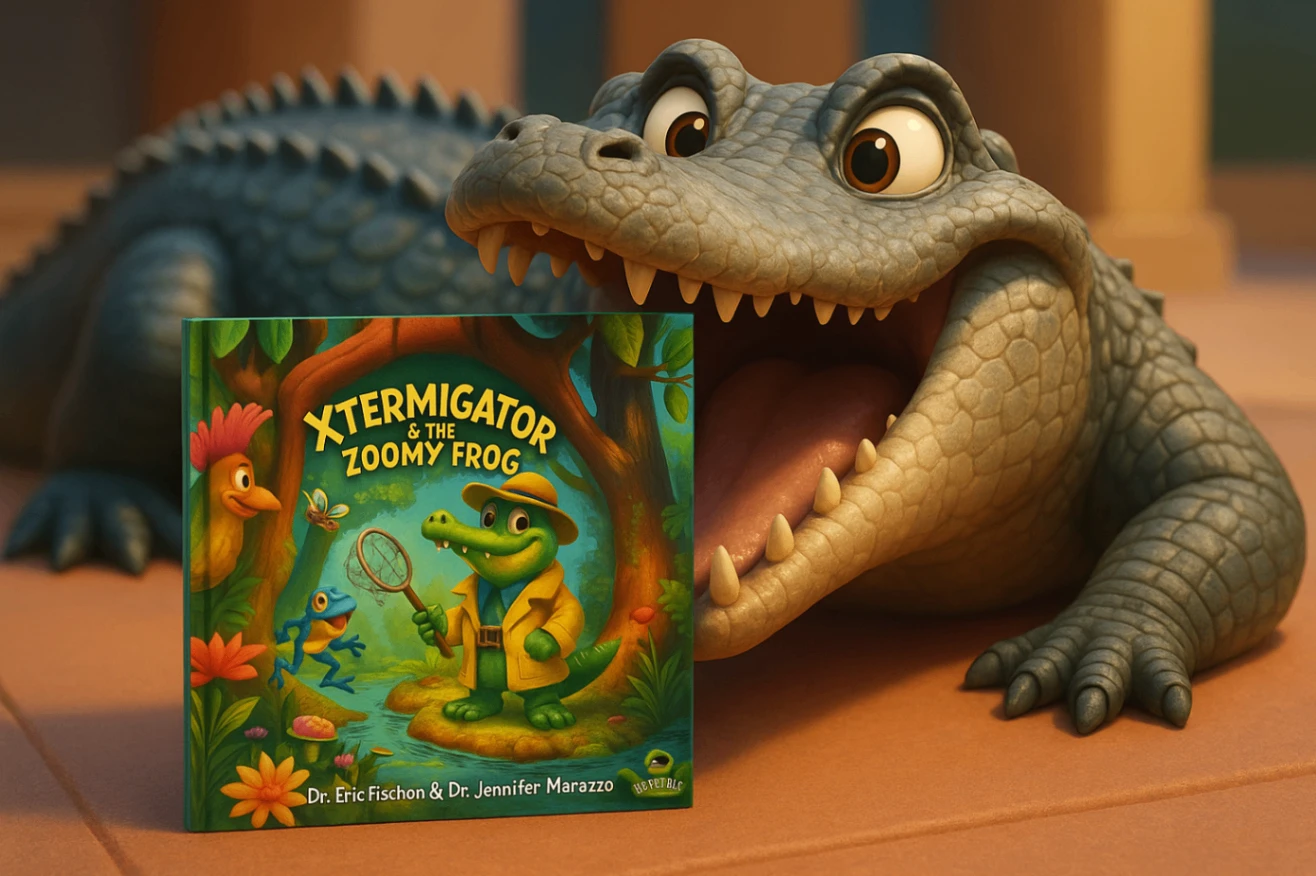
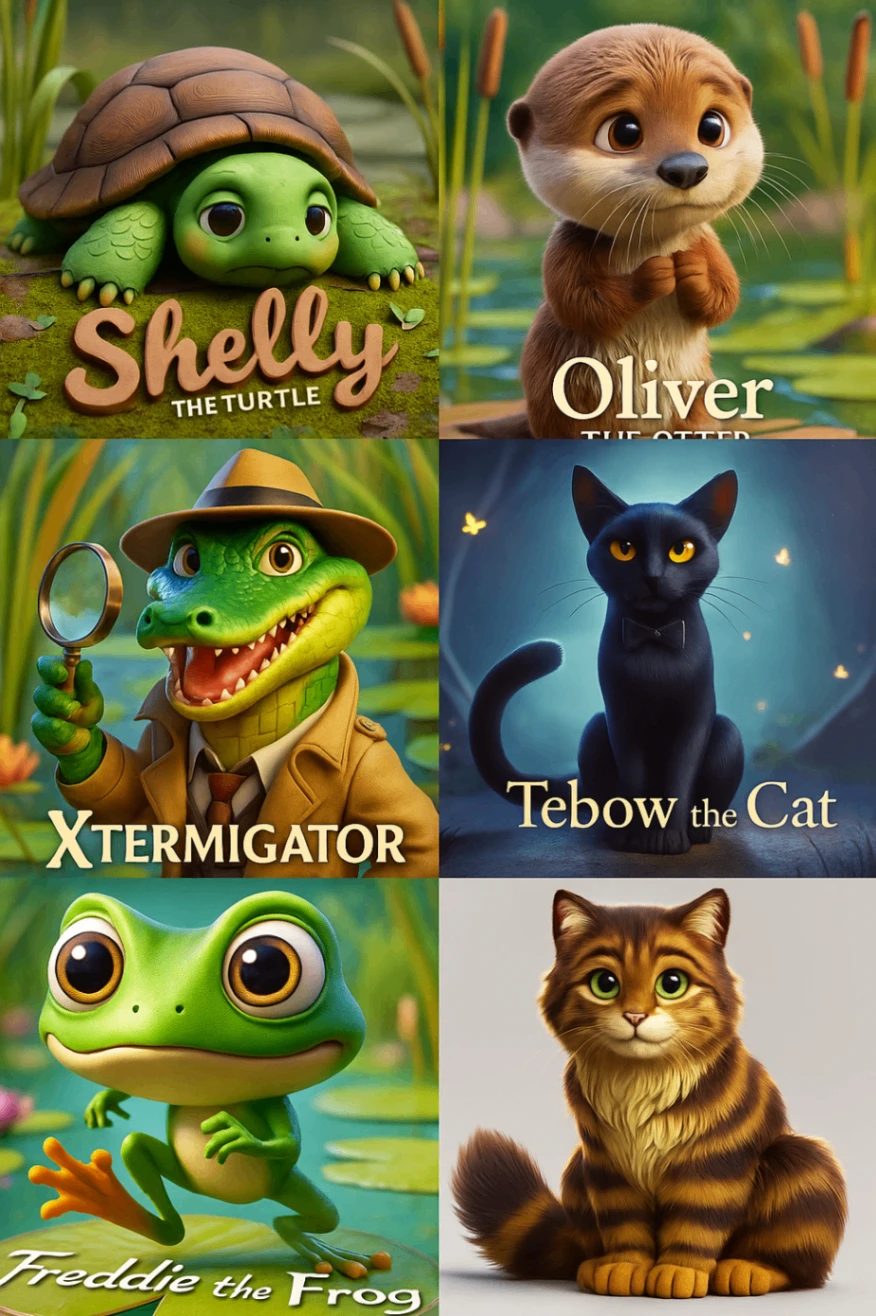
He also created the XTERMIGATOR KIDS brand—an innovative initiative empowering youth with unseen disabilities through storytelling, education, and community building. The brand focuses on resilience, self-advocacy, and celebrating neurodiversity.
Dr. Fishon's commitment to impact is matched by his dedication to scholarship. He holds an impressive array of advanced degrees, demonstrating expertise across diverse fields:
DHA
MBA
MTS
MDIV
MS
MAOL
MA
His ongoing research focuses on resilience in youth with unseen disabilities, ethical applications of artificial intelligence in healthcare and education, and the intersection of technology and accessibility.
Today, Dr. Fishon is at the forefront of disability advocacy, focusing on building resilience in youth with unseen disabilities and exploring how ethical AI can create more inclusive learning and working environments.
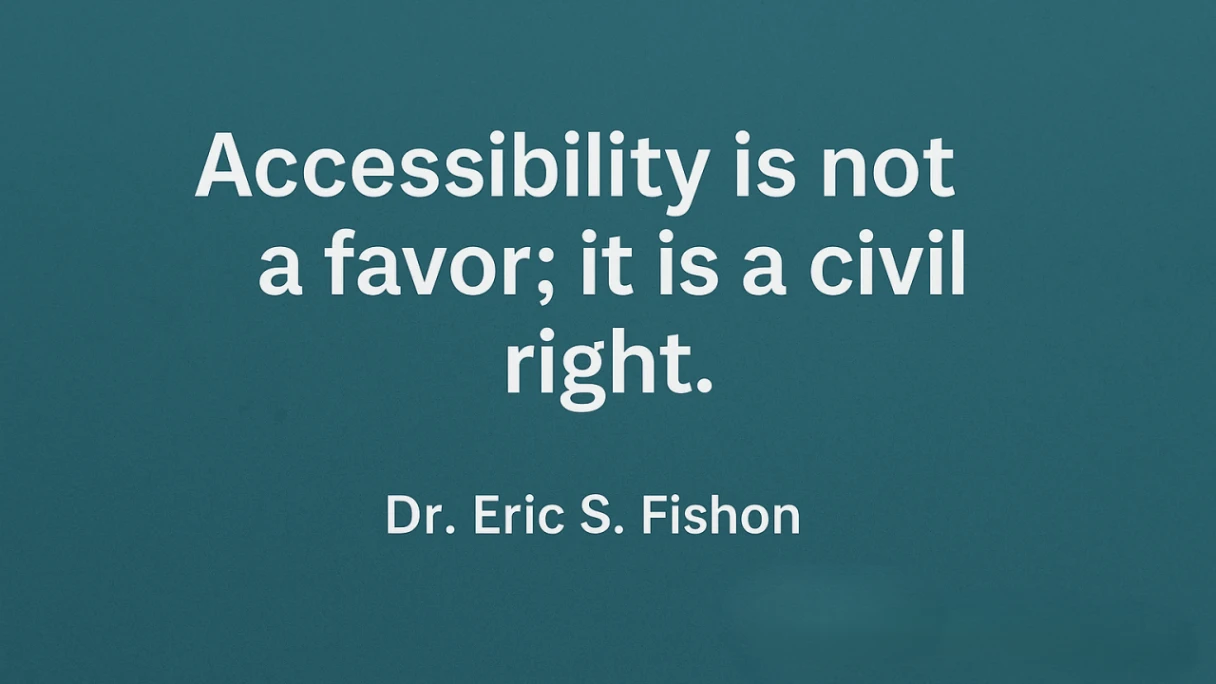
He consults with organizations on inclusive leadership practices, speaks at conferences about accessibility and neurodiversity, and continues to push for systemic change that recognizes the full spectrum of human ability.
Mission Statement
To champion inclusive leadership and universal accessibility by disrupting outdated systems, amplifying marginalized voices, and leveraging technology ethically—ensuring that every individual, regardless of visible or invisible challenges, has the opportunity to thrive, contribute, and lead.